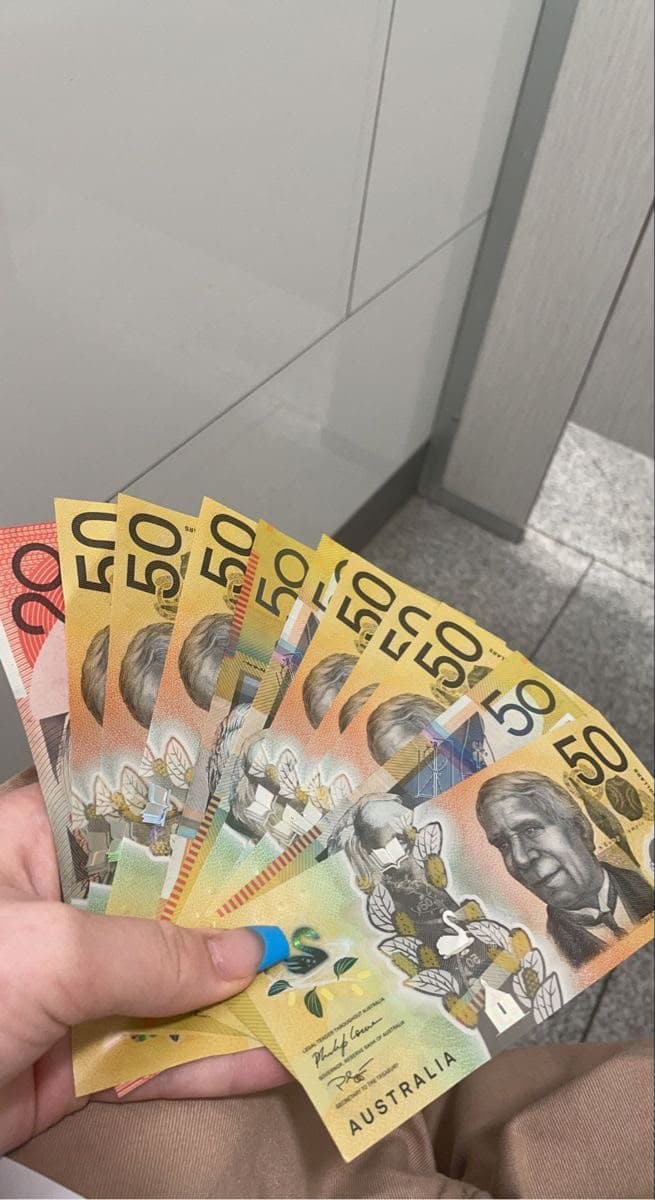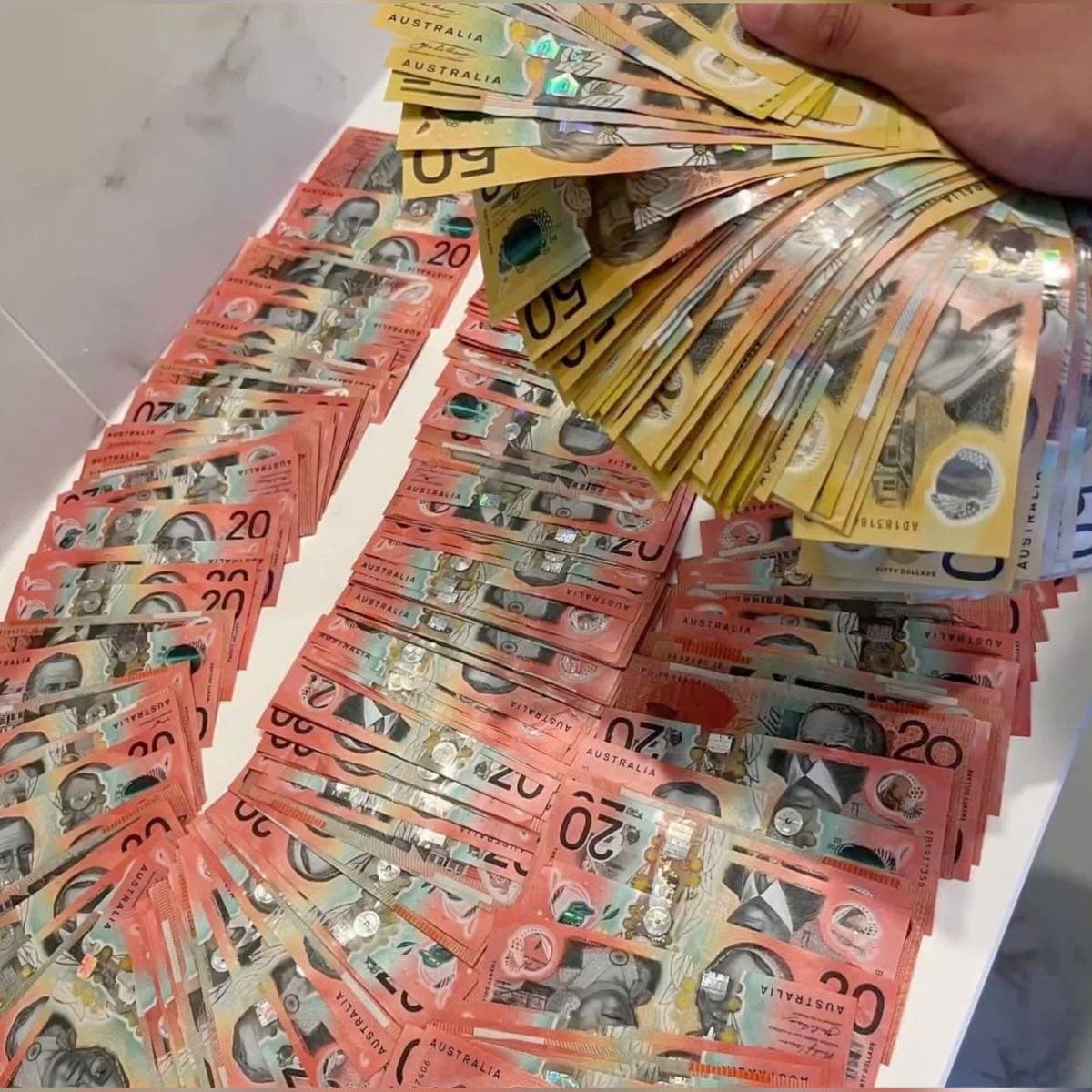
Toy money is one of the oldest teaching tools in the classroom and one of the most popular props for children's games. A pile of bright notes turns a lounge room into a shop, a bank or a casino, and it teaches counting, addition, change and the basics of budgeting without any real cash on the table. This guide explains how to choose toy money in Australia, what separates a good pack from a poor one, how to use it for learning and games, how much to buy and what safety and legal points to keep in mind. It is general information, not legal advice. All PROPPS products are non-legal tender props, and our play money packs carry visible markings.
The short answer
Choose toy money that is clearly not real, durable enough for small hands, easy to count in round denominations and sold in quantities that match the activity. For games and classrooms, bright and simple beats realistic. If you need money that has to look real on camera, you want prop money instead, and our guide to play money vs prop money explains the difference.
What toy money is used for
Teachers, parents, party hosts and community groups use toy money for a wide range of things.
- Maths and money skills. Counting notes, giving change and comparing prices are far easier with something to hold.
- Role-play. Shop, bank, cafe and market games help children practise conversation and negotiation.
- Board and card games. Home-made and commercial games both use notes as a scoring and trading system.
- Classroom economies. Some teachers run a classroom currency to reward effort and teach saving and spending.
- Parties and fundraisers. Casino nights, game stalls and school fairs often use play money in place of real stakes.
- Drama and school productions. A stage cash scene with children usually uses play money, because it is safe and obviously pretend.
What to look for in toy money
Clearly not real
Good toy money is designed so nobody could mistake it for genuine currency. Bright colours, simple designs and obvious differences in size are all useful. That is a safety feature as well as a teaching feature: it removes any chance of a child, or an adult, treating the notes as real.
Durable stock
Notes that tear after one game are frustrating and wasteful. Look for heavier paper or a laminated or coated finish for classroom sets that will be used for years. Rounded corners help younger children.
Sensible denominations
A set that includes small and large values makes a better teaching tool. Notes of 1, 5, 10, 20, 50 and 100 let children practise adding and giving change. Avoid sets that are all high values, which make arithmetic harder and games quicker to end.
Enough notes
A class of thirty children running a market needs far more notes than a family board game. As a rule of thumb, plan on a few dozen notes per child for a shop role-play, and more for a classroom economy that runs over weeks.
Toy money, play money and pretend money: are they the same?
In everyday use, toy money, play money and pretend money all describe the same thing: notes made for games and learning. Retailers may use one term over another, but the product is the same. What matters is not the label but the features: clearly marked, clearly different from real notes and made to handle.
Our event and party props include play money packs that carry visible markings and use the same print quality as our film range, so they photograph well at a party and cannot be mistaken for the real thing.
Teaching with toy money
Here are five activities that work in a classroom or at home.
- The class shop. Set up a pretend shop with price tags. Children take turns as shopkeeper and customer, practise paying with exact money and then with change.
- Bank and savings. One child is the bank. Others deposit notes and learn about saving, interest and borrowing in a simple form.
- Budget challenge. Give each child a fixed amount and a list of items with prices. They plan what to buy.
- Market day. Children make something, price it and sell it to classmates using toy money, learning supply and demand without any real cost.
- Round the table. At home, let children handle the weekly pocket money jar with play notes first, then move to real coins once they understand.
Keep the notes in labelled envelopes by value, and make counting them back in part of the lesson. That teaches sorting and responsibility as well.
Games and parties
For a casino night, a fundraiser or a themed party, toy money does the job and keeps the stakes pretend. Hand out an equal amount to each guest, run the games, and finish with a prize table where the winners swap notes for items. Collect all the notes at the end so none leave the room. For a more polished look for photos, some hosts add a small stack of clearly marked prop notes to the prize table, kept out of circulation. Our guide to novelty money for parties and events explains what is sensible.
Running a term-long classroom economy
Some teachers run a classroom currency for a whole term. Children earn notes for effort and kindness, pay rent for their desks, save towards a class party and spend at a weekly shop. It works best with a few simple rules: pay on a fixed day each week, keep a class bank that records balances, and set prices so that saving for a week is possible but spending everything is also a real choice. Order enough notes for the whole term in one go, in round denominations, and store them in a labelled box so nothing is lost between lessons. At the end of the term, count what is left, reuse the notes next year and keep a spare set for replacement.
Teaching tips that make toy money work harder
Start small. Introduce one or two denominations first, then add more as children gain confidence. Let children make mistakes with change and talk through the answer. Mix real prices with pretend ones, so a pencil costs a few dollars and a toy costs a few more. Rotate roles so that every child plays shopkeeper, customer and banker. Finish each session with a short recap of what was learned, and keep a tidy-up routine so counting the notes back in becomes part of the lesson.
A buying checklist
- Are the notes clearly not real, with obvious differences in colour and design?
- Are they durable enough for repeated handling?
- Do the denominations suit the maths you want to teach?
- Is the quantity right for the number of children or guests?
- Do the notes carry visible markings, so anyone who finds one knows what it is?
- Can you get an invoice for the school or the committee?
Safety and legal points
Toy money is very low risk. A few simple habits keep it that way.
- Never use toy money as payment. It is not legal tender and a shop assistant is entitled to refuse it.
- Keep it away from the very young. Small notes can be a choking hazard for toddlers, so supervise young children.
- Do not let children carry it out of the house or school. A pocket of play notes in a real shop causes confusion.
- Choose marked notes. Packs with visible markings make the purpose obvious to anyone who finds one.
- Check realism. If a set looks very close to real banknotes, treat it like prop money: keep it controlled and marked. Our Section 22 guide explains the law, and the Reserve Bank publishes guidance on banknote reproductions.
How much to buy and what it costs
The right quantity depends on the activity. A family game needs a few dozen notes. A classroom shop for twenty-five children needs several hundred. A school fair stall may need more. PROPPS orders start at $300 AUD, ship by Australia Post Express with signature on delivery and are free to deliver from $500 AUD. That minimum suits schools, fundraising committees and event hosts ordering for a whole term or a whole event. For larger runs, ask about wholesale rates on the wholesale page.
Where to go next
Browse event and party props for play money, read about play money vs prop money if you are unsure which you need, or contact the studio with your quantity and deadline.