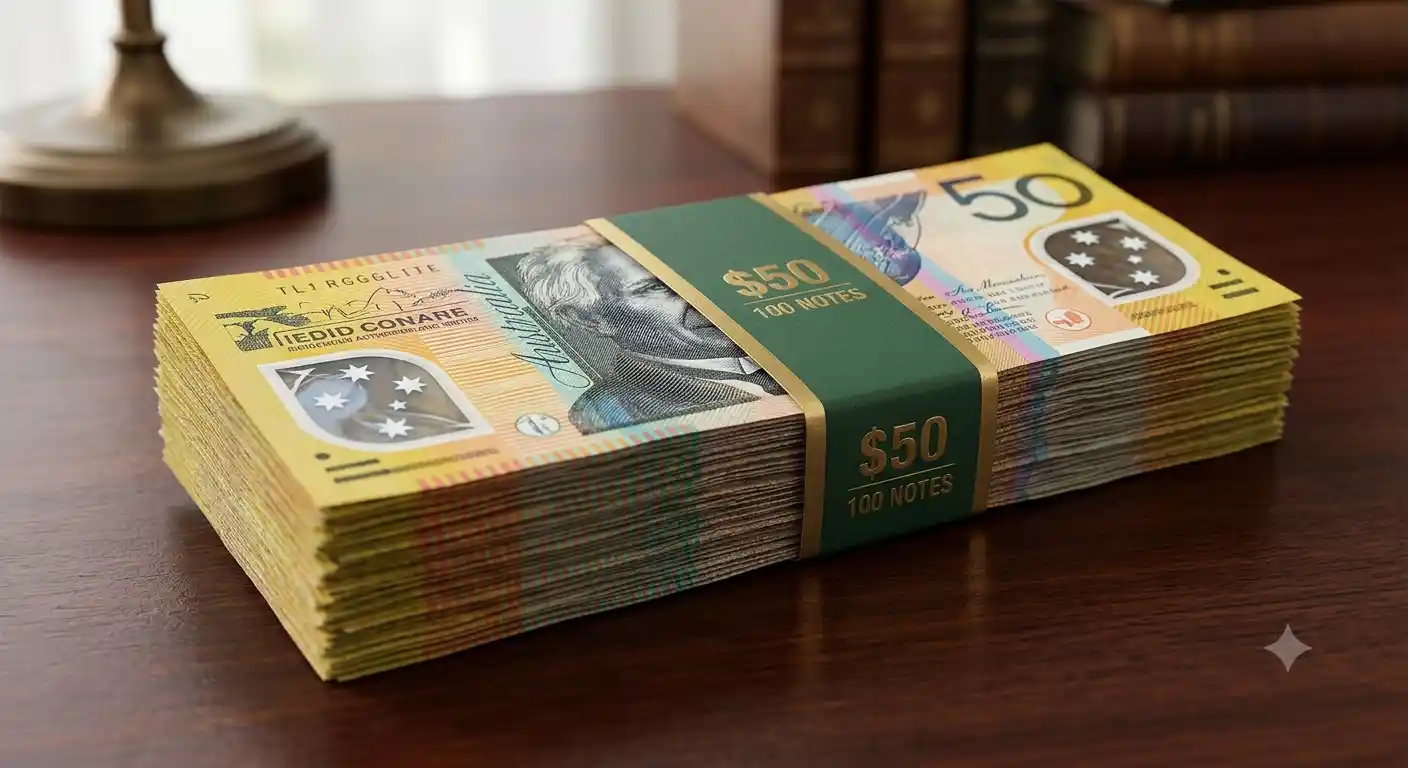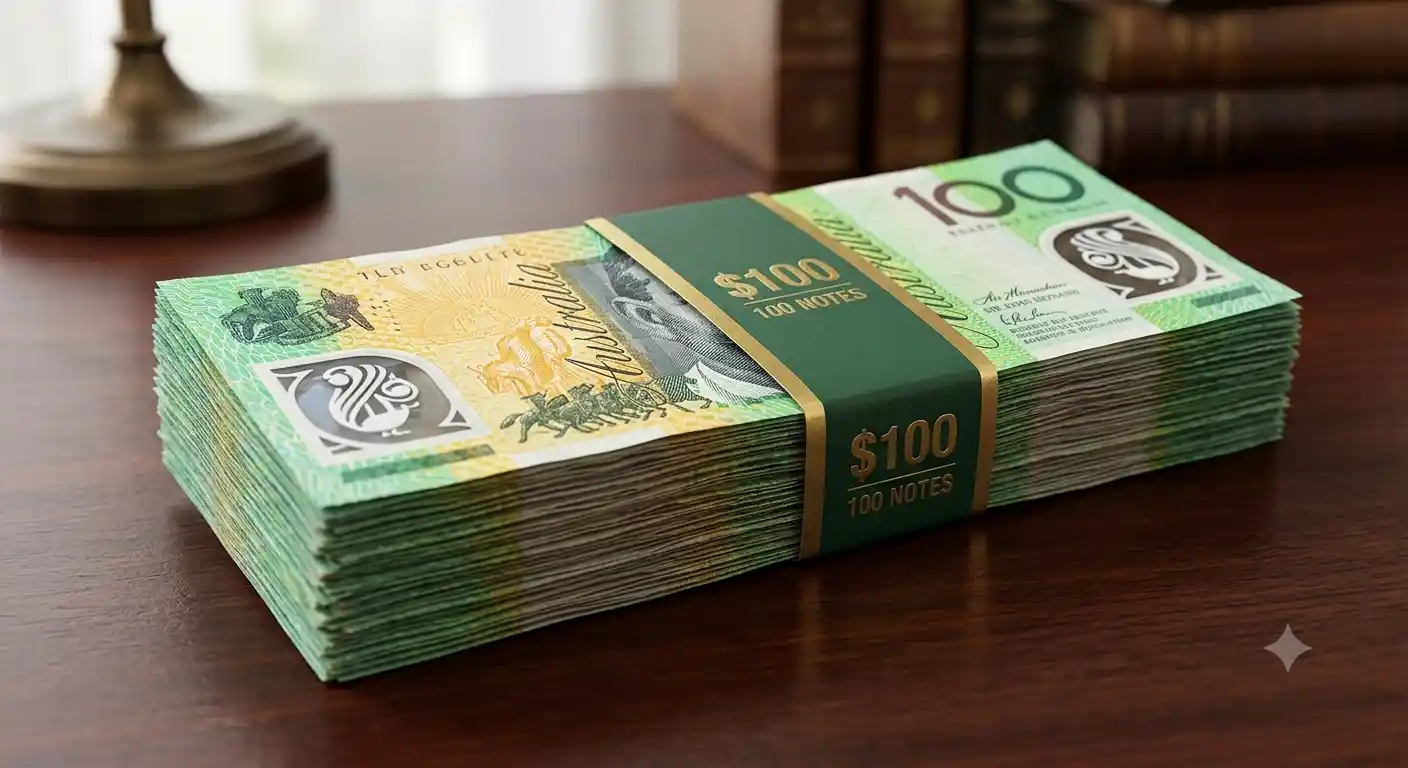
Search for Australian dollar prop notes and the results mix local studios with overseas marketplaces, listings with photos that look the same and prices that differ wildly. The cheapest option is often overseas, and the pitch is simple: the same notes for less. The truth is more complicated. Prop money is a product where the details that matter, such as markings, paper, paperwork and delivery, are the ones a listing hides. This guide compares local and overseas suppliers across the factors that matter to an art department, producer or event host, explains the risks of each and gives you a checklist for choosing. It is general information, not legal advice. All PROPPS notes are specimen-marked, non-legal tender props.
The short answer
For film, television, theatre, photography and any job that needs paperwork, buy from a local studio with marked notes, an ABN, signed-for delivery and an invoice. Overseas listings can be cheaper, but they often ship polymer notes that closely copy Australian designs, with weak markings, long delivery, uncertain paperwork and the risk of being held at the border.
What the two options look like
Local studio
A local studio is an Australian business that designs, prints and ships prop currency to Australian buyers. PROPPS is one, based in Eltham, Melbourne, supplying Australian productions since 2019. Typical features: specimen markings on every note, matte paper, an ABN, a physical address, an invoice, traceable Express Post delivery and a contact you can call.
Overseas marketplace
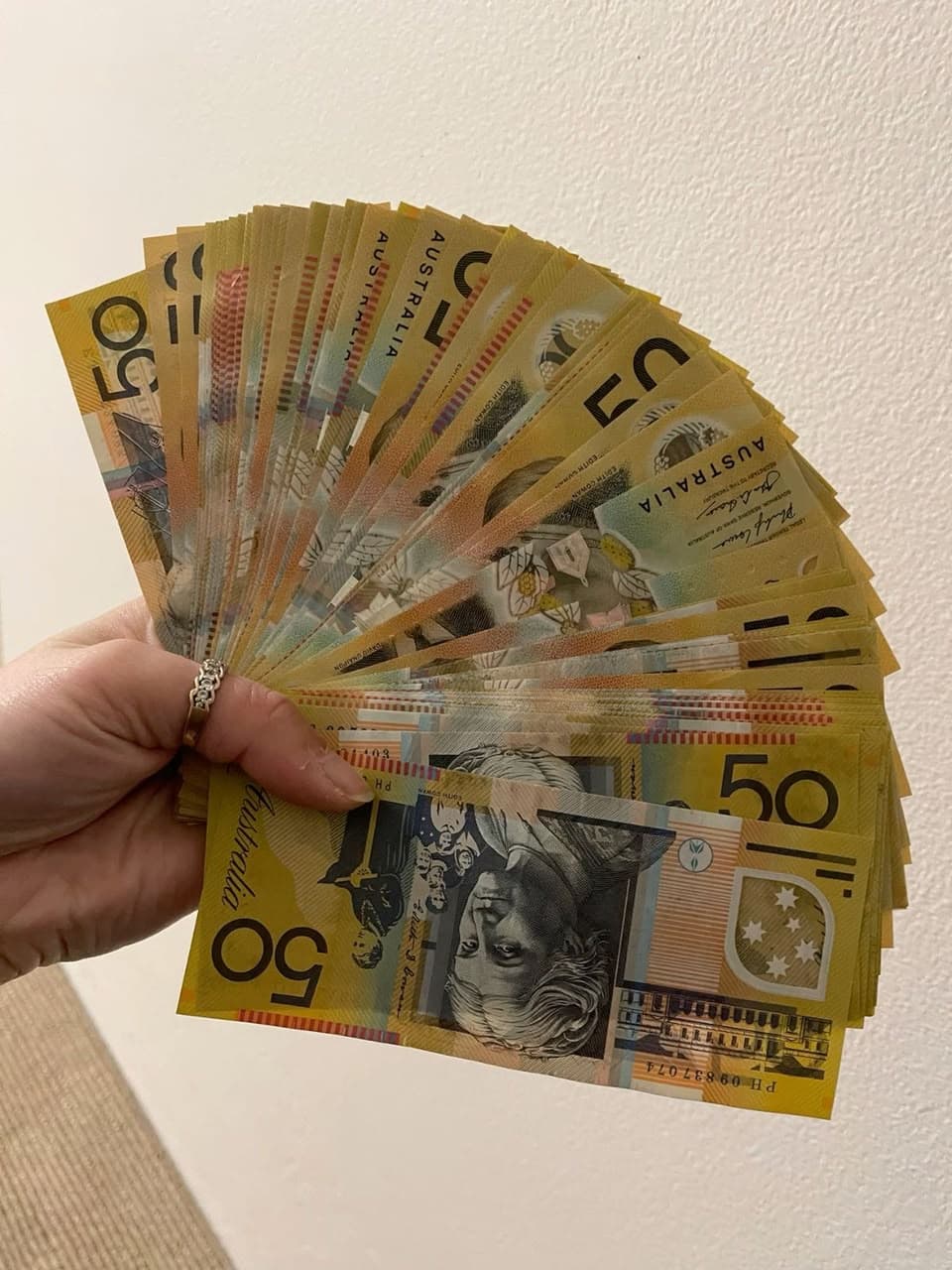
An overseas marketplace listing is a seller, often in another country, who ships prop notes by international post. Typical features: a low price per pack, large minimum quantities, long delivery, polymer notes that match Australian designs closely, weak or missing markings and no local contact.
Side by side
- Markings. Local: permanent on every note. Overseas: faint, partial or absent.
- Material. Local: matte paper. Overseas: often polymer, which is the same material as real Australian notes.
- Legal position. Local: built to Section 22 and the RBA guidance. Overseas: often unclear.
- Delivery. Local: Australia Post Express in days, with a signature. Overseas: weeks, with customs risk.
- Paperwork. Local: an invoice for the production file. Overseas: a marketplace receipt, if that.
- Recourse. Local: a phone number. Overseas: a message to a seller in another time zone.
- Consistency. Local: matching stock across orders. Overseas: variable.
- Price. Local: higher per note. Overseas: lower, until you add the risks.
Why polymer copies are the biggest risk
Australian banknotes are printed on polymer. A reproduction that is also polymer and closely copies the design is the kind of item the law is concerned about, because it can feel and look like the real thing. A paper reproduction with permanent markings is easy to tell apart by touch and by eye. That is why PROPPS prints on paper and marks every note. If you buy polymer copies from overseas, you take on the risk that they are held at the border, questioned by a venue or mistaken for real money. The Reserve Bank publishes guidance on banknote reproductions, and our Section 22 guide explains the law in plain English.
Delivery and timing
A shoot has a date. A local studio dispatches within 24 business hours of payment by Australia Post Express, and the parcel is tracked and signed for. An overseas order can take weeks, can be held at customs and cannot be rushed. If a scene changes, the local studio can send a new stack. The overseas seller cannot. Our guide to shipping and dispatch explains the local process.
Paperwork and insurance
Insurers, location owners and police ask what the notes are and where they came from. A local invoice with an ABN, a photo of a marked note and a line in the call sheet answers all three. An overseas marketplace receipt with a seller handle does not. If a question comes up months later, the local paper trail is still there. Our compliance page sets out the standard.
Price: the real comparison
The price on an overseas listing is only part of the cost. Add shipping, customs and handling, the risk of a delay, the cost of a replacement if the notes are wrong and the crew time spent sorting loose notes. A local order at a higher unit price is often the cheaper job overall. Our guide to cheap prop money goes through the trade-offs, and our how much prop money guide helps you avoid overbuying.
A checklist for choosing
- Specimen markings on every note. Ask for a photo of the front and back of an actual note.
- Paper, not polymer.
- Australian business details. ABN, address and phone number.
- Honest product description. It should say non-legal tender prop.
- Signed-for, traceable delivery.
- An invoice.
- A way to reorder matching stock.
- A plan for what to do if something is wrong.
When overseas might make sense
There are cases where an overseas order is reasonable: a small, non-visible background item, a different currency we do not supply, or a very large order where a local quote is out of reach. Even then, check the markings, plan for delays and keep the paperwork. PROPPS makes Australian dollar props only. If you need another currency, a specialist overseas supplier may be the right choice.
Compliance
Every PROPPS note carries permanent specimen markings, is printed on paper rather than polymer and is sold as a non-legal tender reproduction for motion pictures, television, theatre, visual arts and simulation training. Never spend them, and keep them under the prop master's control. If you have concerns about counterfeit currency, contact the Australian Federal Police.
Questions to ask any supplier, local or overseas
- Where are the notes printed, and by whom?
- Can I see a photo of an actual note, front and back, showing the markings?
- What is the paper or material?
- What is the delivery method, and what happens if the parcel is held?
- Do I get an invoice that names the product?
- Who do I contact if the count is wrong?
- Can I reorder matching stock?
Local studios usually answer these in a line or two. Overseas sellers often cannot, or do not.
A short story to illustrate the risk
Picture a producer who orders a large pack of polymer notes from an overseas marketplace to save money. The parcel is held at the border for weeks, the shoot date passes and a replacement order is placed with a local studio at a rush price. The savings are gone, the schedule slipped and the producer has no paperwork for the first order. The lesson is not that every overseas order fails. It is that the cost of failure is much larger than the saving.
Supporting local makers
Buying from a local studio keeps jobs and skills in the industry, and it means the supplier understands the Australian rules on reproductions. A local maker is also easier to hold to account. If a note is wrong, a call or a message gets a reply on the same day, not a week later.
How to switch suppliers safely
If you have used an overseas supplier before, run a small test order with a local studio first. Compare the print, the paper, the markings and the delivery. Check the paperwork. If the test passes, move the whole order across. Keep both invoices on the file for a few months, so you can show the change if anyone asks.
What local studios should be able to show you
A good local studio can show a photo of a marked note on request, a clear description of the paper, a named business with an ABN, published shipping and refund policies and a recent order history. It can also explain how its notes are built to the Section 22 standard, in plain language. If a studio cannot do these things, keep looking. The same test applies to any overseas seller you consider.
A final word on risk
Risk is the part of the price that never appears on a listing. A small saving on the unit price can be wiped out by one held parcel, one missed date or one awkward question from a venue. Weigh the whole picture, ask the questions above and choose the supplier you would be comfortable explaining to your producer.
Where to go next
See the New Notes range, read where to buy prop money in Australia legally or contact the studio with your quantity and date.