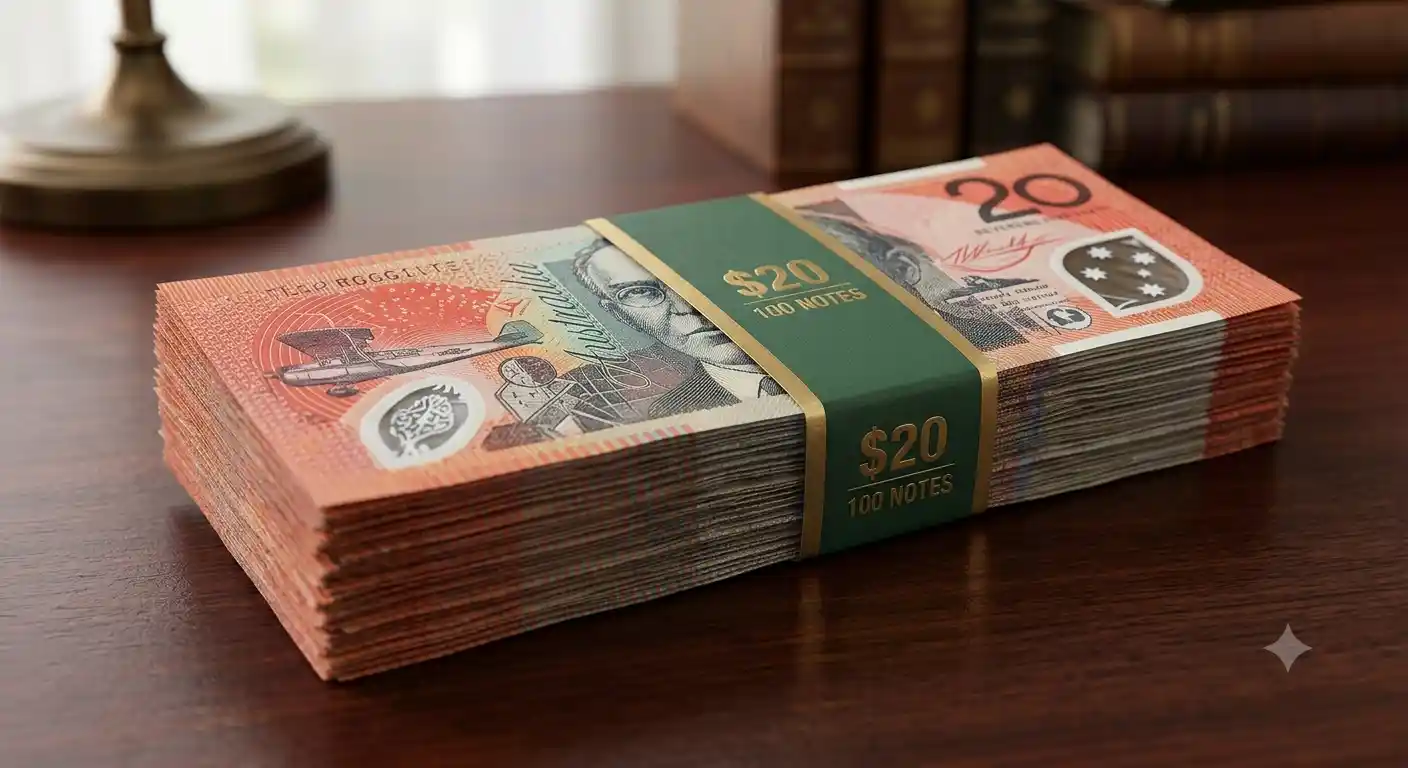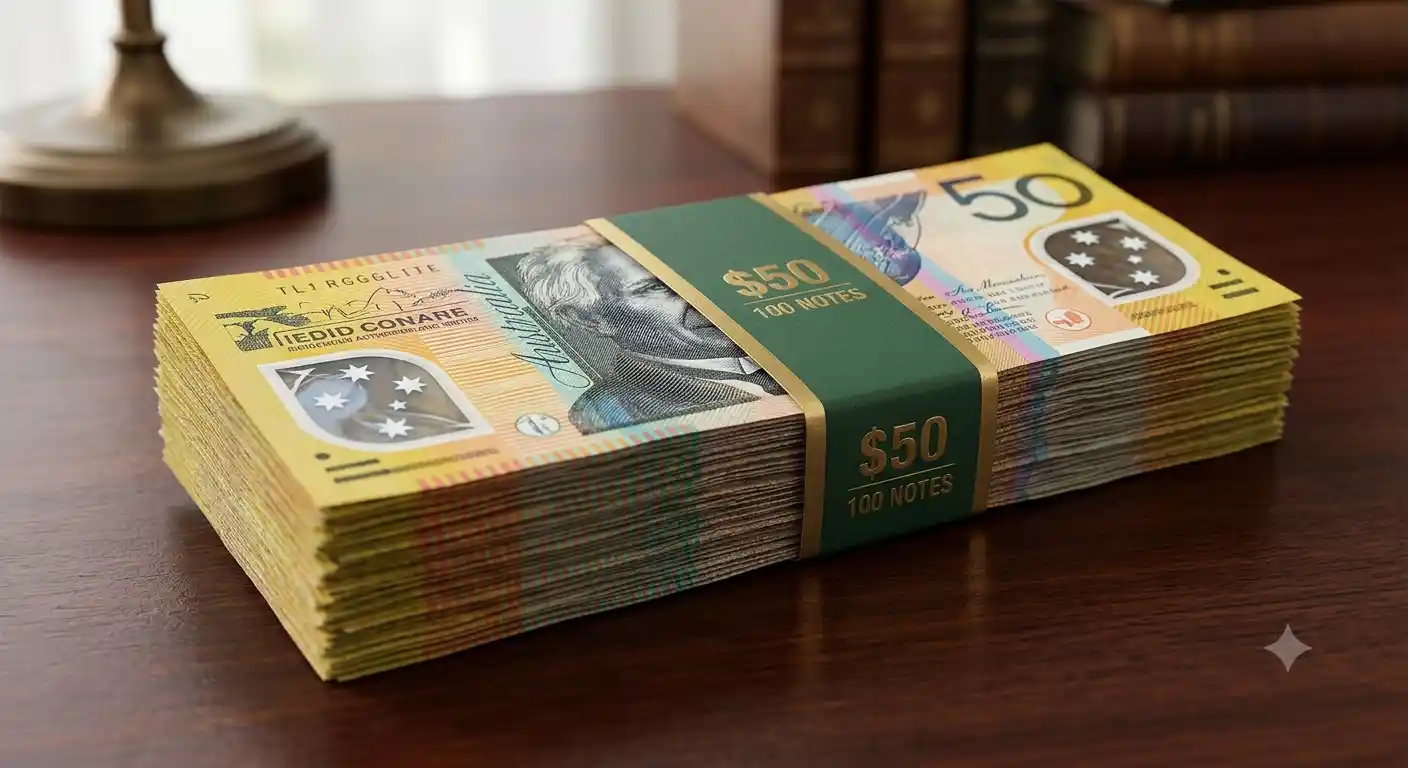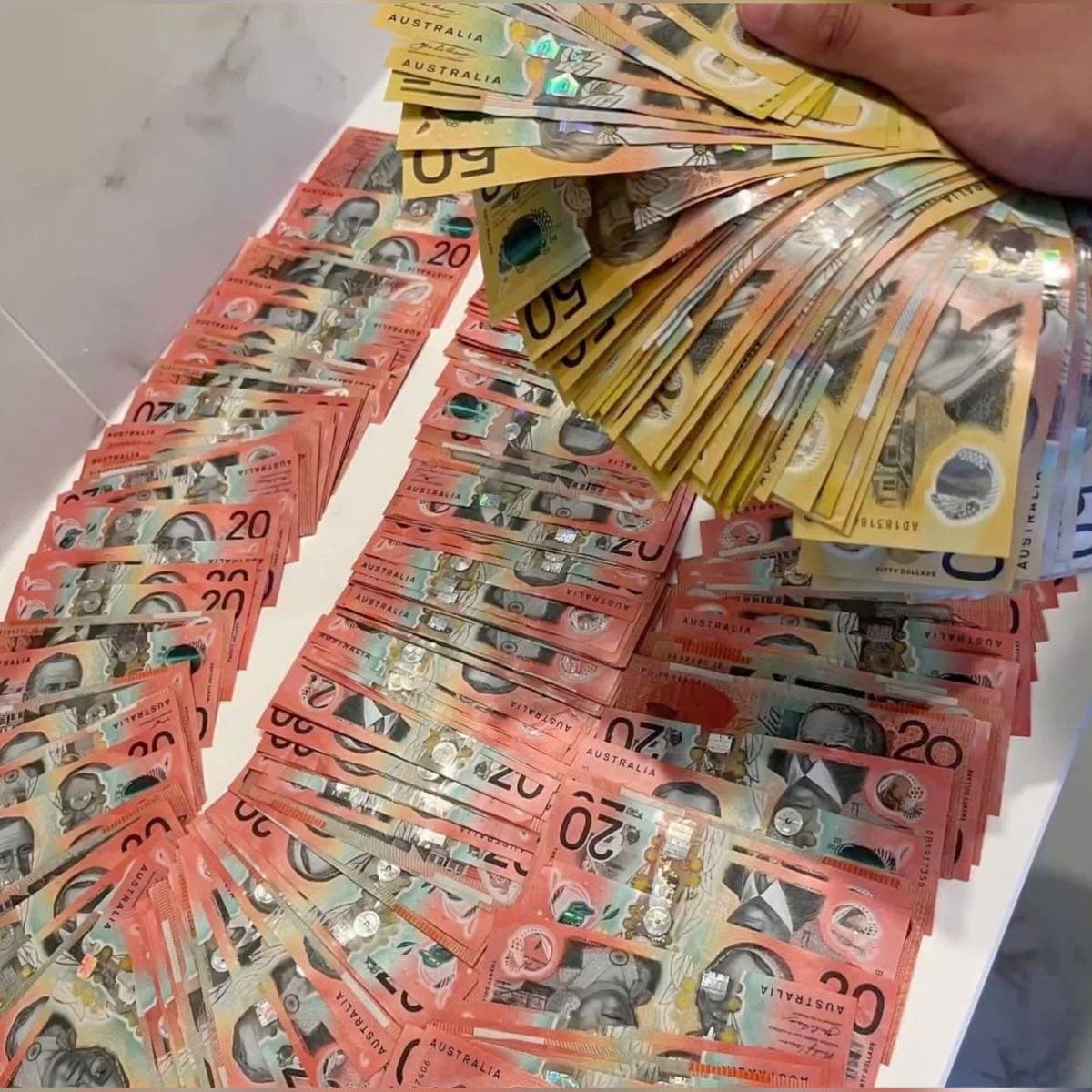
Everyone wants a good price, and prop money is no exception. A listing that says cheap prop money looks like a bargain, especially on a small budget. Sometimes it is. Often the saving is paid for somewhere you cannot see on a product page: in the paper, the print, the markings, the paperwork or the delivery. This guide explains what drives the price of prop money, where cheap listings cut corners, when cheap is fine, when it is not and how to get a fair price without taking a risk. It is written for art departments, producers, photographers and event hosts. All PROPPS notes are specimen-marked, non-legal tender props.
The short answer
Cheap prop money is fine for the far background of a shot and for casual events. For anything the camera sees closely, or anything that needs paperwork, the saving usually costs more than it saves. Judge a price against what is included: markings, paper, print quality, counting, strapping, invoice and traceable delivery.
What drives the price of prop money
Seven things set the price of a stack of notes.
- Paper. Heavier matte archival paper costs more than thin gloss stock. PROPPS uses 120gsm matte archival paper.
- Print quality. Crisp fine print, accurate colour and consistent runs cost more than a basic print.
- Double-sided alignment. Both sides aligned and matched takes care.
- Specimen markings. Permanent, prominent markings are part of the design and the compliance standard.
- Counting and strapping. A counted, strapped stack saves art department time.
- Paperwork. An invoice and a written description for the production file.
- Delivery. Traceable, signed-for shipping costs more than a postage stamp.
Where cheap listings cut corners
Here are the places a low price usually comes from.
- Thin or glossy paper. It reflects light, curls and feels cheap in the hand.
- Soft or off-colour print. It looks fine in a thumbnail and poor at working distance.
- One-sided or misaligned prints. A flipped note shows a blank or a blurred back.
- Weak or missing markings. This is the biggest risk, because markings are what make a note a prop.
- No counting. Loose notes mean prep time and uncertain quantities.
- No invoice. You have nothing for the production file.
- Slow, untracked delivery. You cannot plan around it.
- Overseas origin. Polymer copies of Australian designs, weak markings and border delays. See local vs overseas suppliers.
The real cost of a cheap order
A low price can turn into a higher cost.
- Rework. If the notes look wrong on camera, you reorder or reshoot.
- Rush fees. A late replacement costs more than the original.
- Lost time. Counting, banding and sorting loose notes takes crew hours.
- Compliance risk. Notes without clear markings can cause problems with venues, insurers or police.
- No recourse. If the order is wrong, you may have nobody to contact.
When cheap is fine
There are good uses for lower-cost notes.
- The far background. A bundle at the back of a shelf that the lens will blur.
- Casual events. A party where play money is the right choice. See play money vs prop money.
- Rehearsals and tests. A cheap stack for blocking and testing light.
- Filler. Stock beneath hero notes in a bag or a stack.
When cheap is a bad idea
Avoid low-cost notes for:
- Close-ups and inserts. The camera sees the print and the paper.
- Hero stacks. These carry the scene.
- Public shoots. You need marked notes and paperwork.
- Anything that will be published. A weak note shows in a still.
- Repeat orders. You need matching stock.
How to get a fair price
Good value is not the same as the lowest price. These steps help.
- Size the order properly. Do not buy more than the camera sees. Our guide to how much prop money you need for a scene shows how.
- Put hero quality where the camera is close. Use matching stock behind it.
- Order once. One order saves minimums, shipping and mismatches.
- Ask about wholesale tiers. Larger and repeat runs may be 10% to 30% off. See the wholesale page.
- Use the crypto discount if it suits you. PROPPS gives 10% off crypto payments.
- Reuse stacks across scenes. Matching stacks can appear more than once.
What PROPPS prices look like
At PROPPS, orders start at $300 AUD and delivery is free from $500 AUD. Stacks run from $115 for a Starter Stack to $14,000 for 100 Stacks. Every note is specimen-marked, printed double-sided on matte archival paper and sold with an invoice. Our guide to high quality prop money shows what to check in any listing.
A quick price check
Before you buy from anyone, ask:
- Can I see a photo of an actual note, front and back?
- Is the specimen marking on every note?
- What is the paper?
- Are the stacks counted and strapped?
- Will I get an invoice?
- How is it delivered, and is a signature required?
- Can I reorder matching stock?
If a seller dodges these, the low price is telling you something.
Compliance
Every PROPPS note carries permanent specimen markings, is printed on paper rather than polymer and is sold as a non-legal tender reproduction for motion pictures, television, theatre, visual arts and simulation training. Never spend them. Read the Section 22 guide and the Reserve Bank guidance.
A worked comparison
Imagine two quotes for the same scene. The first is a low-cost listing: thin glossy notes, loose in a bag, one-sided print, no invoice, delivered in three weeks. The second is a local studio order: matte double-sided notes, counted and strapped, specimen-marked, with an invoice and signed-for delivery in days. The first looks cheaper. Then add the crew hours to count and band the notes, the cost of replacing notes that read badly on camera, the rush delivery for a missed date and the lack of paperwork. The second is often the cheaper job overall, and it carries far less risk.
Hidden costs to watch for
- Minimum order and shipping. A low unit price with a high postage fee is not a bargain.
- Currency conversion. An overseas price in another currency moves with the exchange rate.
- Customs and handling. Charges can appear on arrival.
- Time. Slow delivery can force a rush order elsewhere.
- Quality drift. A repeat order may not match the first.
Cheap play money versus cheap prop money
The cheapest option for a party or a classroom is often play money, which is designed to look unlike real notes and costs far less to make. That is a good choice for games. It is not a substitute for prop money in a close-up. If your budget is tight and your shot is a wide, play money in the background and a small hero stack of marked notes in the foreground is a sensible split. Our play money vs prop money guide shows how to choose.
Saving money by planning
The most reliable way to cut cost is not a cheaper note but a better plan. Count what the camera sees, reuse stacks across scenes, weather only what is handled and order once. Our guides to how much prop money you need and heist and bank scenes show how a small order can look large on screen. A good plan can cut the quantity by a third without the audience noticing.
What to ask for before you accept a low price
If a low price tempts you, ask for a photo of an actual note, a description of the paper, confirmation that the markings are on every note, the delivery method and an invoice. A seller who answers clearly and quickly has probably earned the price. A seller who avoids the questions has probably cut the corners you cannot see. Check before you pay, because refunds from distant sellers are slow, and a missed shoot cannot be undone.
A budget-friendly plan that still looks right
Spend on the notes the camera sees closely: the hero stack, the fan, the insert. Use matching but simpler stock for the background. Weather only what is handled, and reuse stacks between set-ups. Order once, keep a reserve and ask about tiers. That plan keeps the cost down and the screen quality up, without leaning on the cheapest listing you can find.
Where to go next
See the New Notes range, read where to buy prop money in Australia legally or contact the studio for a quote.