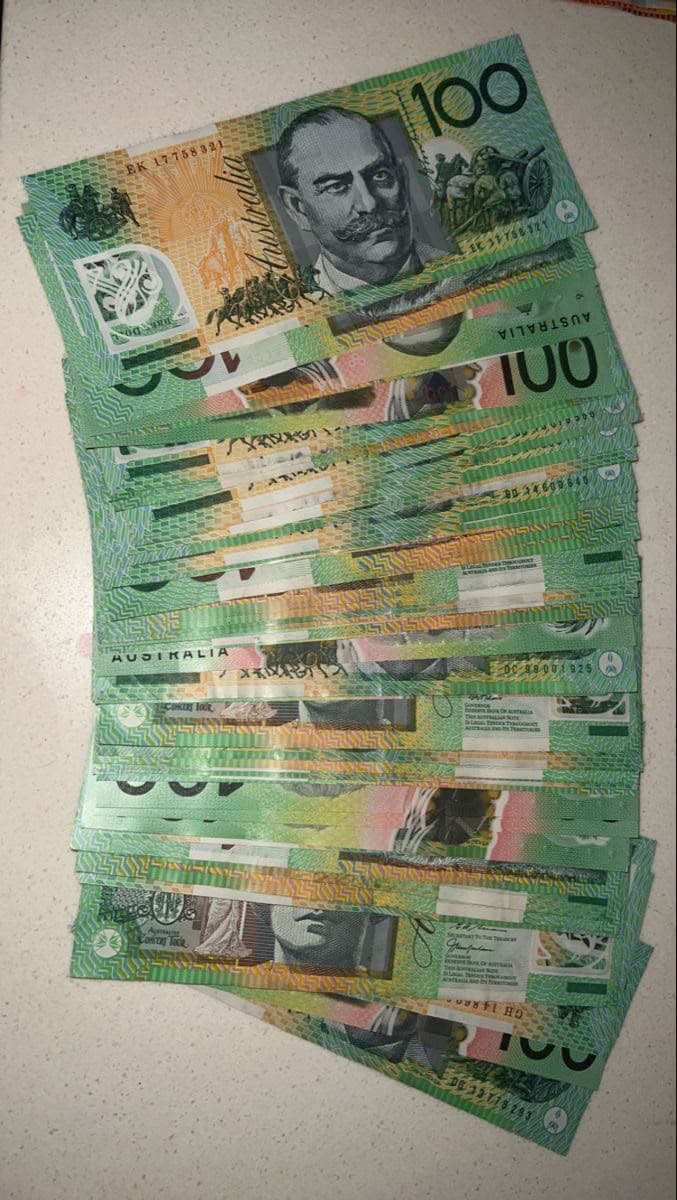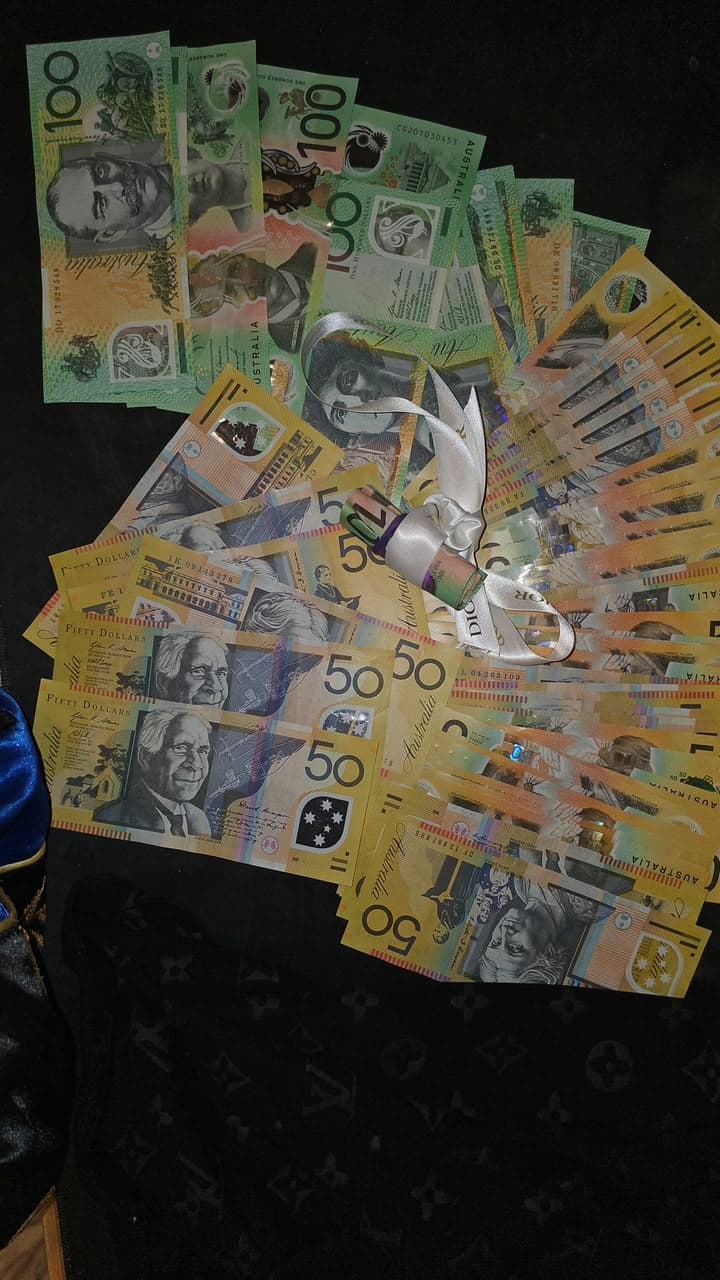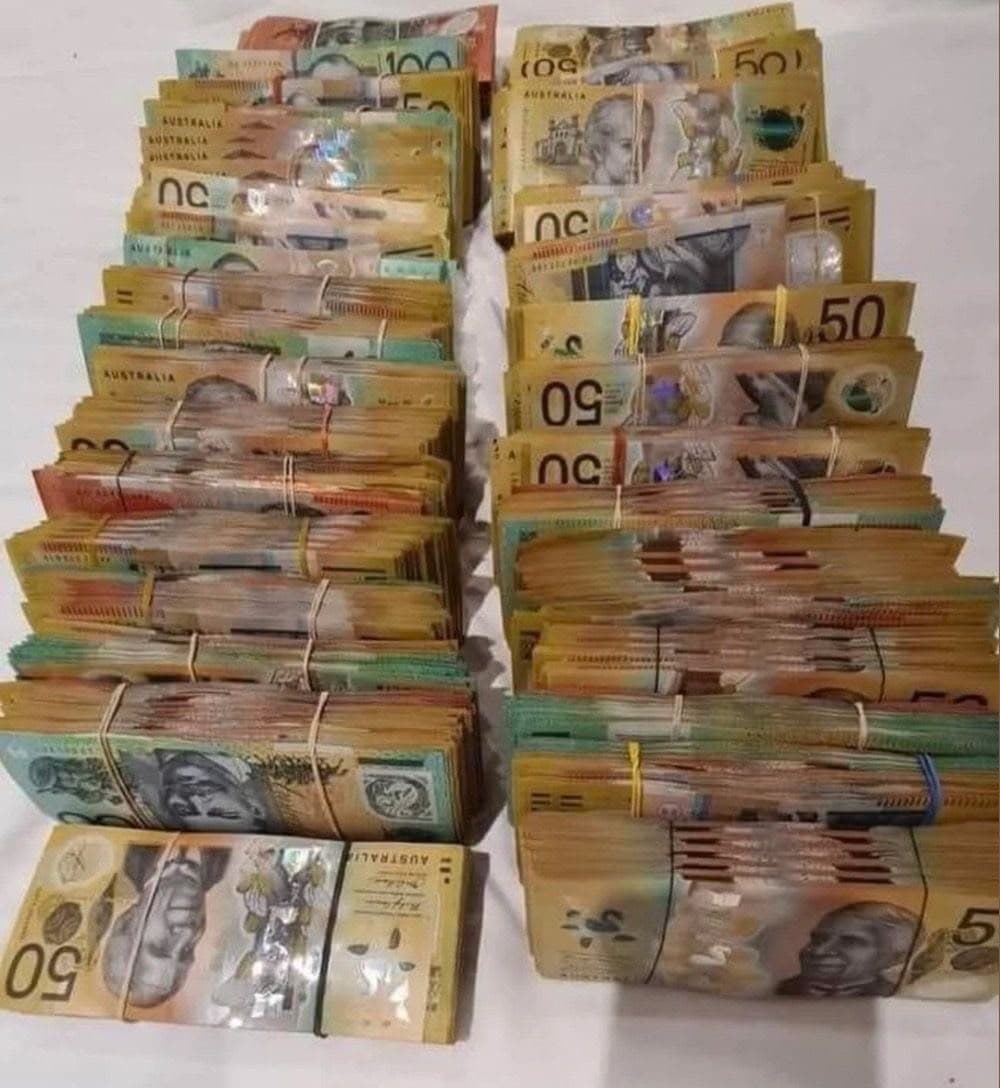
Brand-new notes straight from the box rarely look right on screen. Real cash has been in pockets, bags, drawers and tills. It has creases, a little grime on the edges and a slight curl. An art department that dresses prop cash for sale on screen has to decide how worn each stack should be, how to keep the wear consistent across takes and how to avoid damaging the notes that need to stay clean for the hero shot. This guide is written for prop masters, art directors and set decorators. It covers weathering and ageing methods that are safe for paper notes, continuity rules, how to plan hero and background stock, and the compliance habits that protect the production. All PROPPS notes are specimen-marked, non-legal tender props.
The short answer
Age the background, protect the hero, and keep a log. Weather a limited number of stacks to a consistent standard, keep a clean reserve for close-ups and for reshoots, and record what you did so the next day of shooting matches. Never age a note in a way that removes or covers its specimen markings.
Why weathering matters
Cash tells the audience who a character is. A freshly strapped bundle on a mobster's table says something different from a roll of soft, creased notes in a market stallholder's apron. The details the camera sees are the top note, the edges of a stack and the way a note bends when it is counted. Getting those right makes a scene look lived in without anyone noticing why.
What the camera sees
Before you weather anything, work out what will be seen.
- Top note and edges. These are the parts that carry the story. A stack is a surface and a side, not a block of paper.
- Hands. When an actor counts or fans notes, the notes bend, and the camera picks up creases and corners.
- Depth. In a wide shot, a bundle of notes in the background reads as colour and shape. It does not need the same treatment as the hero stack.
That is why a prop master rarely weathers every note. Weather the notes that will be handled and seen, and leave the rest clean.
Weathering methods that work on paper notes
PROPPS notes are printed on matte archival paper, which takes light weathering well. These methods are common in art departments. Always test on a spare note first.
- Handling and rolling. Fold, crease and roll the notes by hand. This is the safest and most natural method and it keeps the print intact.
- Light edge toning. A dry tea or coffee wash, applied sparingly with a cloth, adds warmth to the edges. Let it dry fully before stacking.
- Dry dust and grime. A fine, dry pigment on the edges mimics the dirt that gathers in a till. Seal nothing and keep it light.
- Corner softening. Rub the corners gently with fine paper to round them off. Real notes round at the corners first.
- Bundling and strapping wear. Leave a strapped stack in place for a day so the strap leaves a faint line, and the stack gains a slight memory of its shape.
Avoid anything that obscures the printed specimen markings, anything wet enough to curl the paper permanently and anything that could stain a hero note you still need clean.
Plan hero stock and background stock
A simple way to organise a scene is to split the cash into three groups.
- Hero notes. Clean, flat and handled as little as possible. These are for inserts and close-ups. Keep a spare.
- Working stock. Lightly weathered notes for hands, drawers and counting.
- Background stock. Strapped stacks and bundles used for volume. Matching stacks keep continuity simple. Our ready prop money stacks arrive counted and strapped for this.
Tag the groups so no one swaps a hero note into the working pile. For how many stacks to order, read how much prop money you need for a scene.
Continuity rules
Cash scenes are shot in pieces, often over several days, so continuity is the main risk.
- Photograph the stack before the first take, from the angles the camera uses.
- Weather in batches. Treat the whole quantity for a scene at the same time, so it matches.
- Log the process. Note the method, the date and the quantity. A reshoot a month later will need it.
- Count in and out. Count the notes at the start and end of each day. This is good practice for continuity and for compliance.
- Keep a sealed reserve. A clean spare lets you replace a damaged hero note without a rush order.
A weathering workflow for a one-day shoot
When there is only one day, keep the process short and repeatable.
- Morning before call: weather the working stock by hand. Roll, crease and soften corners on the notes that will be counted or fanned.
- At the first set-up: photograph a hero stack and a working stack from the camera angle, and tag them.
- Between set-ups: reset stacks from the same batch, not from new stock. Swap in clean notes only for the hero insert.
- At lunch: check the working stock for damage and replace anything torn.
- At wrap: count, bag and label the notes, and write down what was used.
Common weathering mistakes
- Over-ageing. Notes that look filthy read as costume jewellery. Real cash is mostly just soft.
- Ageing everything. The background does not need it and the clean notes are your safety net.
- Wet methods that curl the paper. Curl does not reverse and the camera will see it.
- Skipping the log. A reshoot without a record means guessing what the notes looked like.
- Covering the markings. Never age a note in a way that hides its specimen markings.
Stage and theatre use
Theatre cash is seen from a distance and handled nightly, so it needs to survive repeated use rather than look perfectly aged. Choose durable notes, weather lightly and expect to replace stock during a run. The same count-in, count-out habit applies backstage. Our event and party props suit lighter stage use.
Period and set dressing details
Period work adds another layer. A scene set decades ago may need older-looking notes, different bundle styles and different wear patterns. Talk to the set decorator about what the character would plausibly carry, and match the wear to the setting: soft, folded notes in a worn wallet, crisp strapped bundles from a bank, loose notes in a tin. Small touches such as a rubber band, a paper clip or a folded receipt make a stack read as belonging to a person rather than to a props department.
Think about the end of the scene too. When the shoot wraps, decide what happens to the weathered notes: keep them as a ready set for a pickup day, retire them, or return them to the studio. Weathered notes cannot be made new again, so label the box clearly and keep the log with it.
Directing the cash scene
Directors use cash to shape a scene: a bag of notes opened slowly, a stack slid across a table, a till drawer that is almost empty. Talk to the art department early about what the camera will see, how the money moves and how many takes there will be. The answers decide how many stacks to buy and how much to weather. If you shoot a reveal, such as a vault or a briefcase of cash, read our guide to prop cash for heist and bank scenes.
Compliance while you work
Weathering is a creative step, but the notes are still reproductions. Every PROPPS note carries permanent specimen markings, is printed on paper rather than polymer and is sold as a non-legal tender prop for motion pictures, television, theatre, visual arts and simulation training. Keep the markings visible, keep the notes under the prop master's control, keep the invoice on file and never spend them. Read the Section 22 guide and the compliance page for the full standard.
Where to go next
Order notes for your hero and working stock from the New Notes range, add counted stacks from Money Stacks, or contact the studio with your shot list.