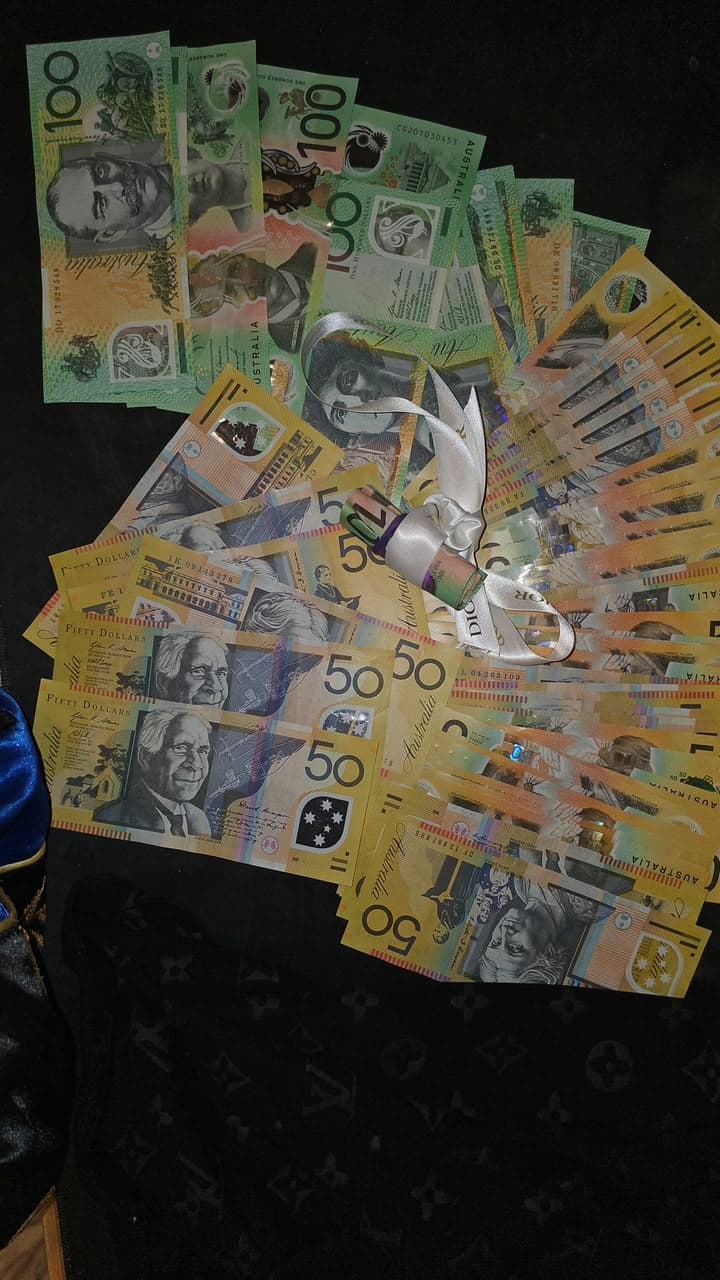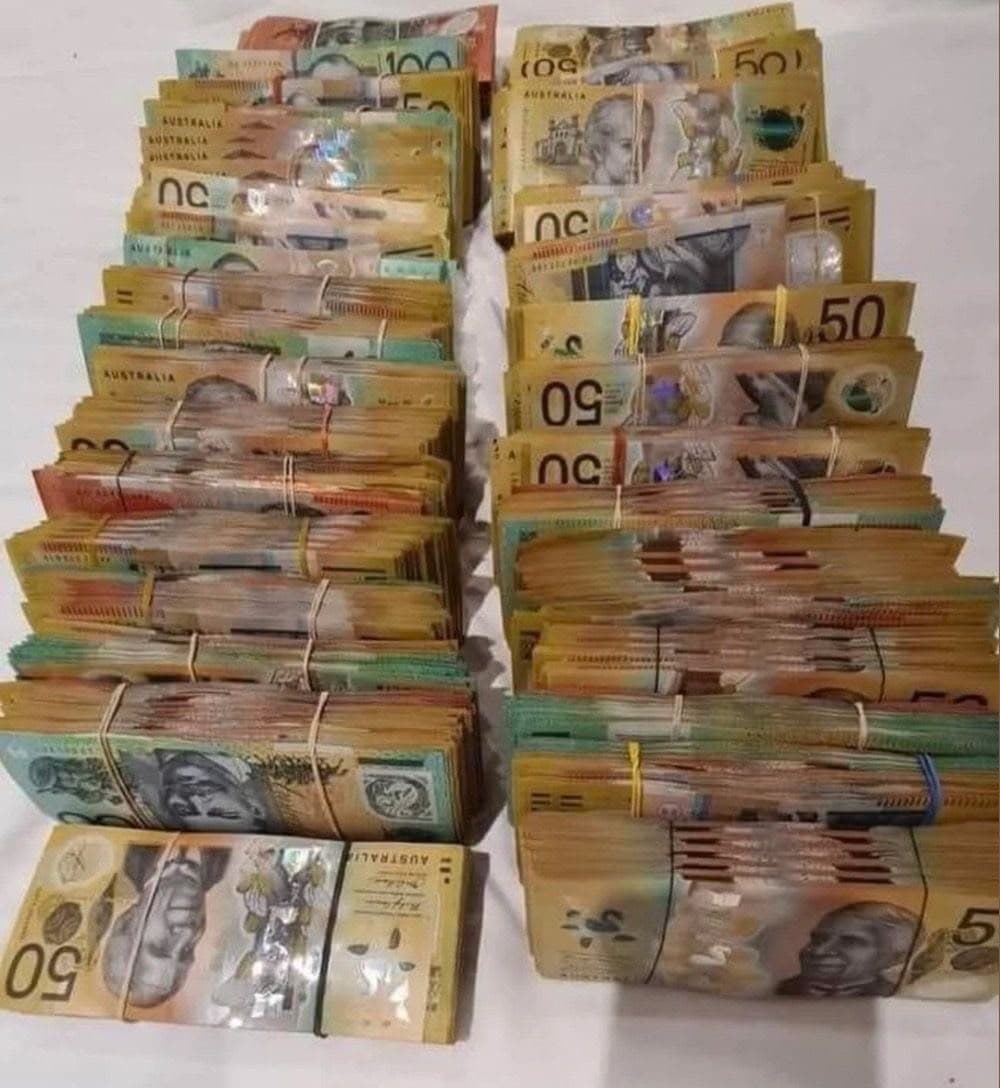
Heist films live and die on the money shot. The vault door opens, the camera pans across rows of bundled cash, and the audience believes the stakes. Getting the volume wrong in either direction hurts: too little and the vault looks half-empty, too much and the budget disappears into bundles the lens never sees. This guide shows how to plan a money stack Australia productions can afford for heist, bank and cash-room scenes. It covers how to count what the camera sees, how to build a vault, how to dress bags, counters and tables, how to use depth and filler, and how to plan quantities, delivery and reuse. All PROPPS notes are specimen-marked, non-legal tender props.
The short answer
Count shelves, pallets and bags in the frame, work out how many bundles each holds, put hero stacks at the front and let depth and filler handle the rest. A modest vault is about 10 stacks, a larger set with pallets suits 50 Stacks and a full cash room is where 100 Stacks and a wholesale conversation make sense. Order once, keep a reserve and keep notes under the prop master's control.
What the camera really sees
A vault is mostly shape. The camera sees the front face of each bundle, the colour and the pattern of stacks, not the cash behind. That is why hero stacks at the front matter and the rest can be matching stock or filler. Think of the set as layers.
- Foreground. Hero stacks, held or placed within reach of the actor. These are the notes in close-up.
- Midground. Bundles on shelves, tables and in open bags. Matching stacks keep continuity.
- Background. Depth of field blurs these. Colour and shape matter more than detail.
Sizing a vault, step by step
- Measure the set. Count shelves, bays, pallets, cages and open bags.
- Estimate bundles per unit. How many bundles does a shelf hold? How many does a pallet hold?
- Multiply. Bundles per unit times units gives total bundles.
- Convert to stacks. Our stack tiers are Starter, 1, 5, 10, 50 and 100 Stacks. Find the nearest tier.
- Split by layer. Put hero stock in the foreground and matching stock behind.
- Add a reserve. One sealed stack is cheap insurance.
For the tiers and prices, see $100 prop money bundle sizes and how much prop money you need for a scene.
Bags, briefcases and counters
A bag or briefcase
A briefcase opened to the camera shows a thick bundle on top and stacks packed tight. Five stacks usually fill a briefcase to the lip. Put $100 and $50 notes on the visible faces and filler beneath.
A bank counter
A teller counter needs a handful of hero bundles on the surface and a mix of denominations in the drawer. A Starter Stack plus a 1 Stack often covers a counter and a till. Mix in $20 and $10 notes for the drawer, as the banknote denominations guide explains.
A table spread
A table needs volume without depth. One or two stacks, loosely arranged, read as a natural pile. Avoid a perfect grid.
A duffel or sports bag
A bag unzipped shows the top layer of bundles. Pack a few hero bundles on top and fill the rest with filler. Add a few loose notes at the opening for a lived-in look.
Depth, filler and tricks
Art departments rarely fill a whole vault with hero notes. These are the usual tricks.
- Hero faces, cheap cores. Wrap hero notes around filler blocks so the faces read as cash.
- Repeat stacks. The same stack moved between shots reads as a larger pile on screen.
- Use depth of field. Blur hides detail.
- Mix colours. Strapped $100 and $50 bundles together look richer than one colour.
- Break the order. Spilled notes and a half-open bag add realism.
- Frame tight. A tight shot needs fewer stacks than a wide.
Weathering and continuity
A bank vault is clean, a getaway bag is rough. Weather the notes that are handled, leave the vault bundles crisp and keep a log of what went where. Our art department guide covers the methods. Photograph the set-up before the first take, and reset to the photo for every take. Count the stacks in and out at the end of each day.
Lighting a vault
A vault is a hard set to light, because shelves and cages cast shadows and metal throws reflections. Keep light soft, flag the key off the lens axis and test the notes at working distance. Our lighting guide goes through it. Matte paper helps, because it avoids hot spots.
Planning quantities, delivery and reuse
Order the full quantity once for a block of shooting. PROPPS orders start at $300 AUD, ship by Australia Post Express with signature on delivery and are free to deliver from $500 AUD, with a 10% discount for crypto payments. For larger orders, ask about wholesale tiers of 10% to 30% off on the wholesale page. After the shoot, keep the stacks for pickups and reshoots, or reuse them in another scene.
Safety and compliance on a heist set
A heist scene is the kind of scene that attracts attention, especially on location. If you shoot in or near a bank or a shop, tell the venue and the local police beforehand, and keep the supplier invoice on set. Keep notes under the prop master's control, never leave them in a vehicle, and never let background performers keep souvenirs. Every PROPPS note carries permanent specimen markings, is printed on paper rather than polymer and is sold as a non-legal tender reproduction. Read the Section 22 guide and the Reserve Bank guidance.
Planning the shot list around the money
Work with the director to list the money shots. The vault reveal, the bag being filled, the counter exchange and the final spill are all different shots with different needs. Some need volume, some need quality. A pan across shelves needs matching stacks. A close-up on a hand picking up a bundle needs a hero stack. Rank the shots by importance and spend the budget where the camera lingers.
Fire, water and special effects
If a scene involves fire, water, dust or explosions near the cash, talk to your special effects supervisor early. Paper notes burn, swell and stain, so plan for duplicates and protect the stock you need for other scenes. Do not use real flame near prop notes without the supervisor and the safety plan in place, and keep a separate set of notes for the effect shots, so the hero stock stays clean.
Crowds, extras and the public
A heist scene shot in public draws attention. Tell the venue and the local police beforehand, brief the extras that the notes are props and keep them under the prop master. Do not hand notes to background performers. If a member of the public asks, show the specimen markings and the invoice. Our Section 22 guide explains why the markings matter.
Wrap and clean-up
At the end of the day count the stacks, bag them, label the bags and lock them away. Collect spilled notes from the floor, the bags and the set. Check pockets, bags and vehicles before the crew leaves. A missing note is a small problem on a set and a bigger one on a street. Log the count and the condition, and store the weathered and clean stock separately.
Budget notes for a heist sequence
A heist sequence usually has more than one cash moment: the reveal, the handover, the escape and the aftermath. Budget the notes across the whole sequence, not scene by scene, and reuse stacks where the story allows. A single large order with a reserve is almost always cheaper than three small ones, and the stacks will match.
Reusing stock across a sequence
Stacks that appear in the vault can reappear in the van, the safehouse and the final reveal, provided continuity allows. Photograph each set-up, tag the stacks and keep a movement log, so the same bundles look the same in every scene. Reuse saves money and makes the cash feel like one story rather than several props.
Budget notes for a heist sequence
A heist sequence usually has more than one cash moment: the reveal, the handover, the escape and the aftermath. Budget the notes across the whole sequence, not scene by scene, and reuse stacks where the story allows. A single large order with a reserve is almost always cheaper than three small ones, and the stacks will match.
Where to go next
Browse money stacks, the New Notes range or contact the studio with your vault dimensions and shot list.