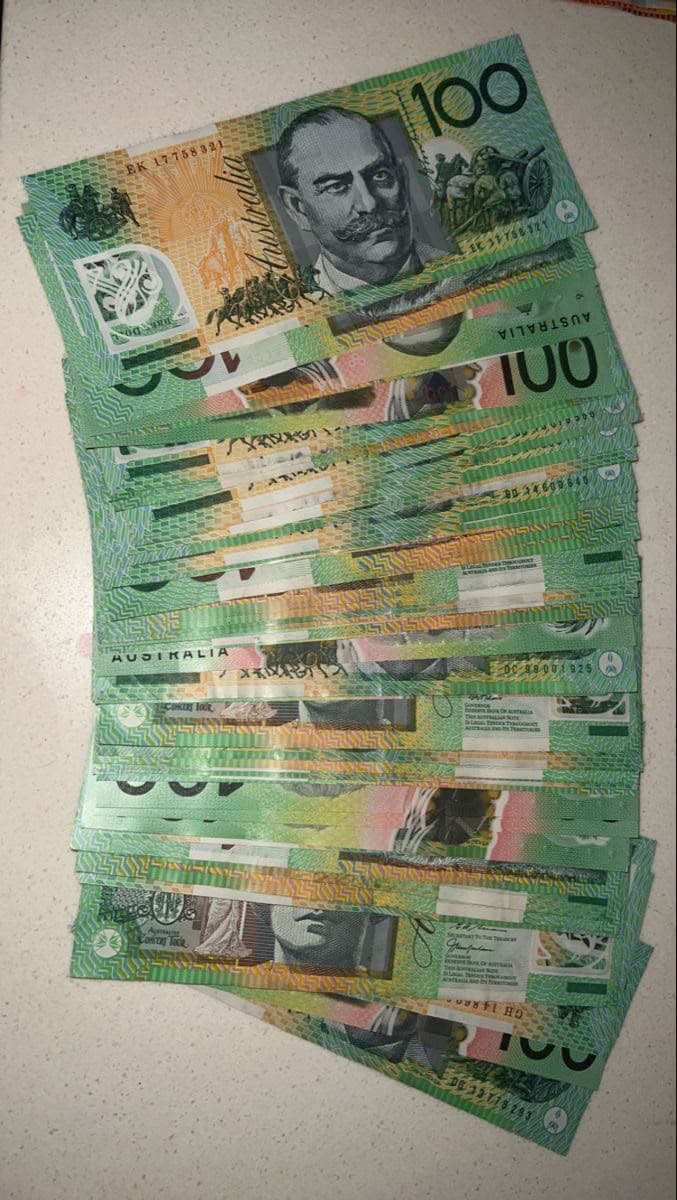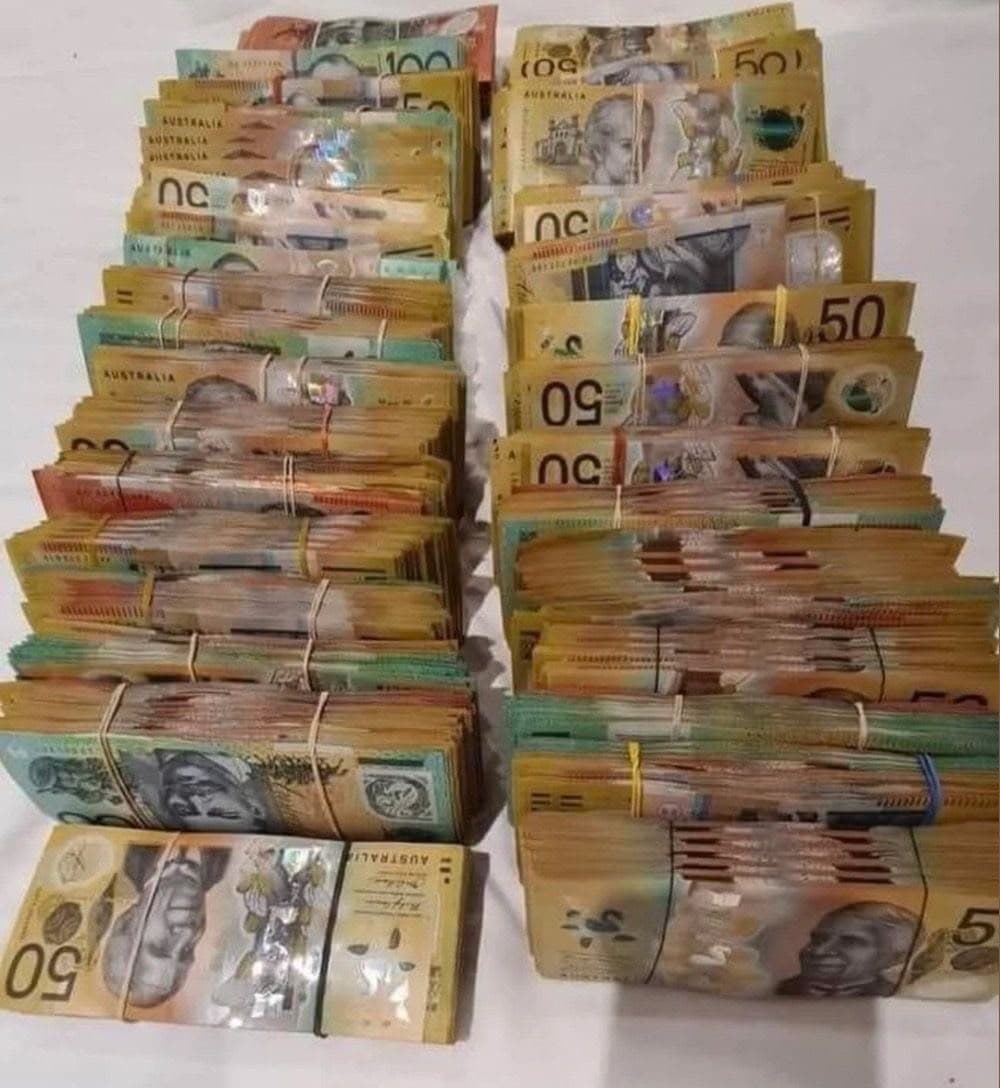
Buying props for a screen production in Australia is a mix of planning, sourcing and paperwork. Furniture can be hired, costumes can be made, but cash and currency need special care, because the law treats reproductions of banknotes differently from a chair or a lamp. This guide is a buying checklist for art departments, prop masters and line producers. It covers how to brief, where movie props in Australia come from, what to check before you order, how to budget, how to handle delivery and storage and how to keep the paperwork in order, with a focus on currency props. It is general information, not legal advice. All PROPPS notes are specimen-marked, non-legal tender props.
The short answer
List every cash scene, count what the camera sees, choose a specialist supplier with marked notes, an ABN and signed-for delivery, order the full quantity once, and file the invoice. For currency, the supplier matters as much as the price, because markings, paper and paperwork are what keep the props lawful and the production protected.
Step one: write the brief
A clear brief prevents most buying problems. For each cash scene, note:
- What is shown. A wallet, a till, a briefcase, a vault.
- How it is handled. Held, counted, thrown, hidden or left on a table.
- The camera distance. Wide, medium, close-up or insert.
- The number of takes and set-ups.
- The look. New, used or aged.
- The era. Contemporary or period.
- The date. When the notes must be on set.
Share the brief with the director and the DOP, and keep a copy on the production file.
Step two: choose where to buy
Movie props Australia wide come from several sources.
- A prop hire house. Good for furniture and general set dressing. Currency stock is usually limited.
- A specialist currency studio. Best for cash scenes that need volume, matching stacks and paperwork. PROPPS is one, based in Eltham, Melbourne, supplying Australian productions since 2019.
- A general prop shop. Useful for small items and last-minute needs.
- Overseas marketplaces. Cheap and fast to find, but with weaker markings, longer delivery and more legal risk. See local vs overseas suppliers.
- Making your own. Not recommended for currency.
You can buy movie props online in Australia for the cash scene from a specialist, and keep the rest of the set dressing with a general supplier. See film and TV props for our currency packs.
Step three: check the supplier
Before you order currency props, check:
- Specimen markings on every note. Ask for a photo of the front and back of a real note.
- Paper. Genuine Australian banknotes are polymer. Reproductions on paper are easy to tell apart by touch. PROPPS prints on 120gsm matte archival paper.
- Business details. An ABN, a physical address and a working phone number.
- Honest descriptions. The listing should say the notes are non-legal tender props.
- Delivery. Traceable shipping with a signature.
- Policies. Published shipping, refund and privacy policies.
- Paperwork. An invoice for the production file.
Our guide to where to buy prop money in Australia legally goes through these in detail.
Step four: size the order
Count the stacks the camera sees, add the hidden ones, double for repeat set-ups and keep one sealed as a reserve. Our guide to how much prop money you need for a scene gives examples, and the stack tiers run from a Starter Stack at $115 to 100 Stacks at $14,000. Orders start at $300 AUD.
Step five: set the budget
A currency budget has four lines.
- Notes. Priced by stack tier and denomination.
- Delivery. Free from $500 AUD at PROPPS.
- Weathering and prep. Art department time and materials.
- Reserve. A sealed stack for late changes.
If the production will need cash across a season, ask about wholesale tiers. See the wholesale guide and the wholesale page.
Step six: plan delivery and storage
Express Post needs a signature, so nominate someone at the delivery address. Dispatch leaves our Melbourne studio within 24 business hours of payment. Plan delivery a few days before the first cash scene, not the morning of. On arrival, check the count and the condition, file the invoice and store the notes with the prop master in a secure, dry place. Read shipping and dispatch for timing.
Step seven: keep the paperwork
A simple production file covers most questions from insurers, location owners and police:
- The supplier's invoice, with the business name, ABN and address.
- A photo of the front and back of a note.
- A line in the call sheet or prop schedule naming the scene and the person responsible.
- A log of notes in and out each day.
Our compliance page and Section 22 guide explain the standard behind the markings.
Common buying mistakes
- Leaving it until the week of the shoot. Express dispatch is fast, but a late order costs more.
- Choosing on price alone. A cheap listing often means no markings, no invoice and no one to call.
- Forgetting the reserve. A late change forces a rush.
- No storage plan. Notes left in a car or on location are a risk.
- No paperwork. A reshoot or an insurance question needs the file.
Hire or buy?
Furniture, lamps and large set pieces are usually hired, because the production does not need them after the shoot. Consumables, such as cash, food and anything that will be damaged or weathered, are bought. Currency sits in the second group: weathered notes cannot go back on the shelf, and many productions want a matching reserve for pickups. If the same cash appears across a series, buying once and reusing is usually cheaper than hiring repeatedly.
Working with a supplier
A good supplier makes the job easier. Send a short brief with the scenes, the quantities, the denominations and the dates. Ask for the invoice and a photo of the notes. Confirm the delivery address and who will sign. Ask about reorder options if the script changes. If you have questions about marking, packaging or timing, ask before you order, not after. A supplier who answers quickly before the sale will answer quickly after it.
Handling a late change
Scripts change. A table spread becomes a vault, a second day of shooting is added, a reshoot appears. A sealed reserve is the first defence. The second is a supplier who can dispatch fast: PROPPS dispatches within 24 business hours of payment by Australia Post Express. The third is a clear order history, so you can reorder matching stock. Tell the studio what changed and when you need the notes, and we will say what is realistic.
After the shoot
At wrap, count the notes, bag them and label the box with the scene, the date and the count. Decide whether to keep them for pickups, reuse them on another job or store them with the production records. Do not leave notes loose in a vehicle or a location. Keep the invoice and the log together. If the production ends, store or dispose of the notes sensibly, and never let them out into circulation.
A one-page buying checklist
- Brief written and shared.
- Supplier chosen and checked.
- Quantity sized from the shots.
- Reserve included.
- Budget approved.
- Delivery date and signer confirmed.
- Storage plan agreed.
- Invoice and photo filed.
- Daily count in place.
- Wrap plan agreed.
Questions to ask before you pay
- Are the notes marked, and can I see a photo?
- When will the order dispatch, and how will it travel?
- Who needs to sign for it?
- Can I reorder matching stock later?
- Will I get an invoice and a written description for the production file?
- Is there a price break for a larger or repeat order?
A supplier who answers all six in a few lines is a supplier worth using. If the answers are vague, that is information too. Keep the replies with the production file in case a question comes up after the shoot.
Lead times and last-minute buys
Good props are rarely last-minute. Allow a few days between order and first use, more if the address is remote or the delivery needs a signature from someone who is on set all day. If you must order late, tell the supplier the date and the delivery address at the start, and ask what is realistic before you pay.
Questions to ask before you pay
- Are the notes marked, and can I see a photo?
- When will the order dispatch, and how will it travel?
- Who needs to sign for it?
- Can I reorder matching stock later?
- Will I get an invoice and a written description for the production file?
- Is there a price break for a larger or repeat order?
A supplier who answers all six in a few lines is a supplier worth using. If the answers are vague, that is information too. Keep the replies with the production file in case a question comes up after the shoot.
Where to go next
Browse film and TV props, the New Notes range, or contact the studio with your brief.