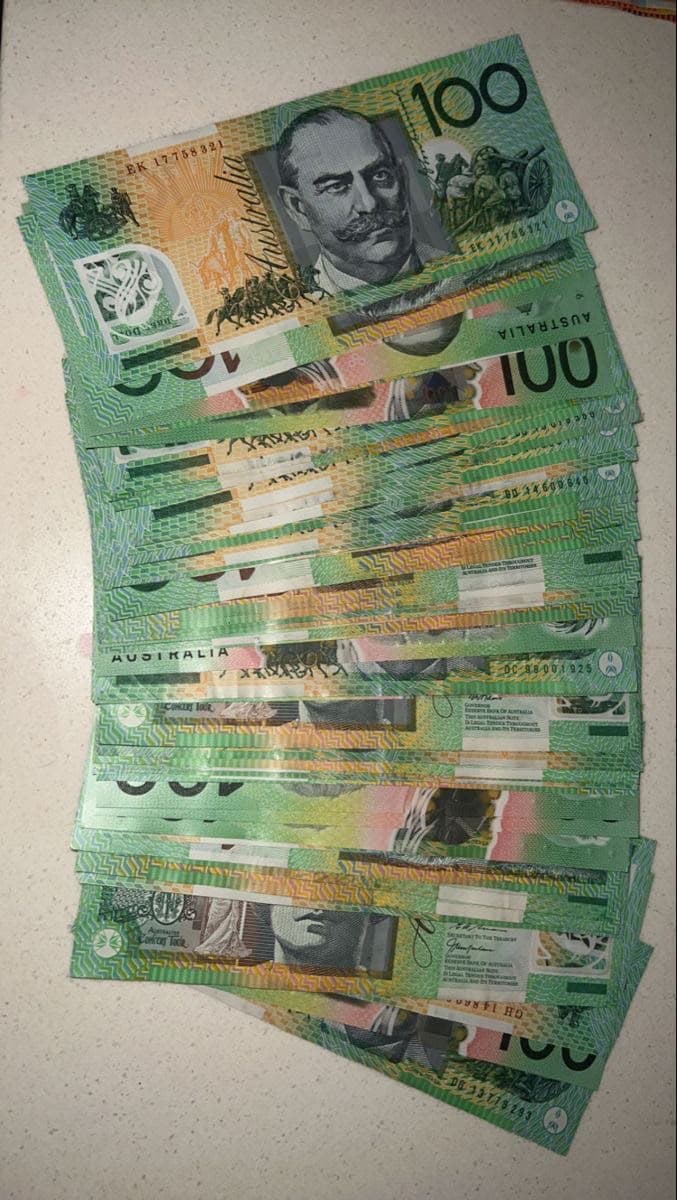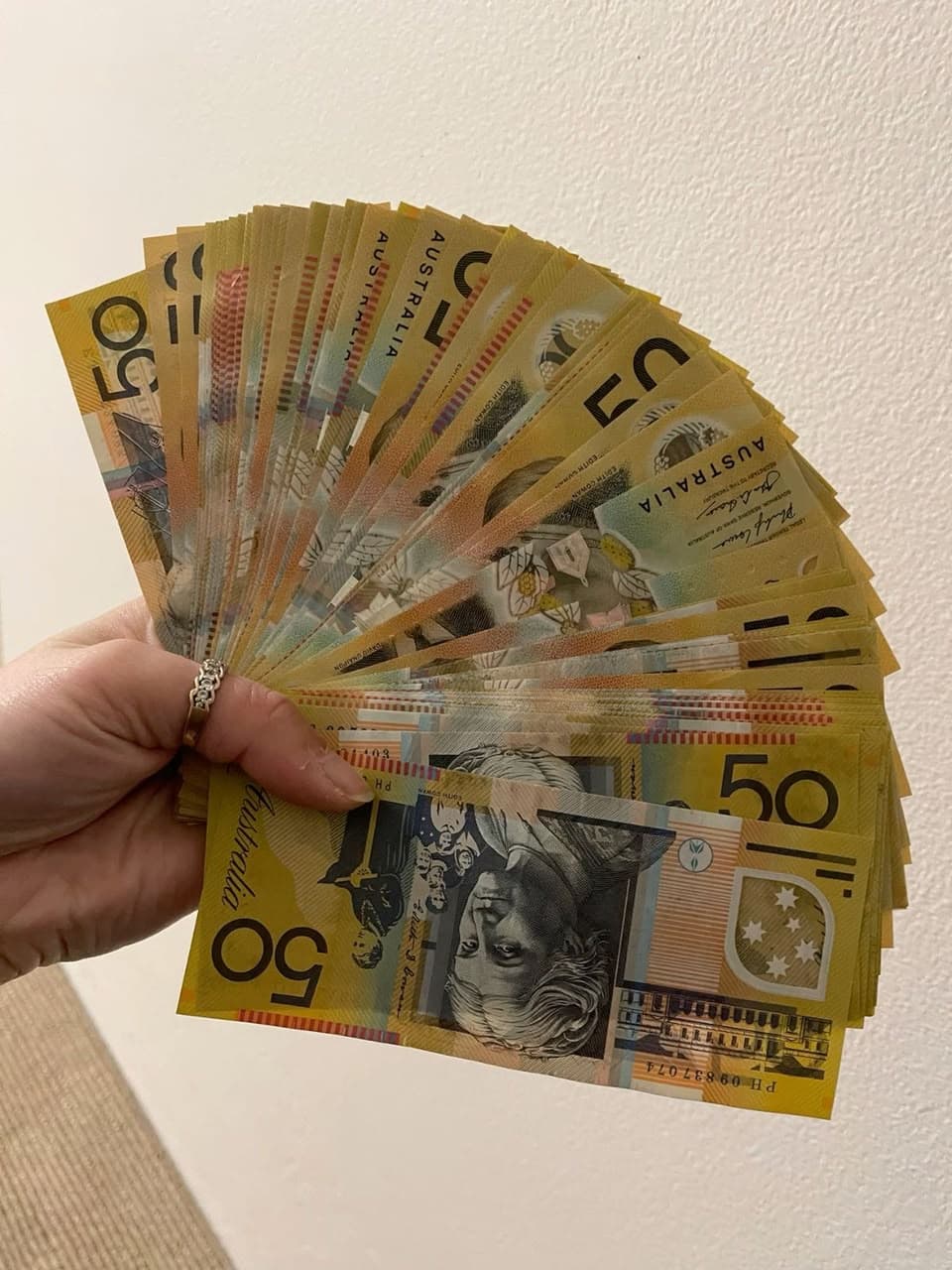
Cash is a powerful visual in photography. A fanned handful of notes says success, a stack on a desk says business, a scatter on a bed says excess. For editorial, product and advertising shoots, photoshoot props Australia wide often include prop money, because real cash is risky to carry, expensive to tie up and easy to damage. This guide is written for photographers, stylists, producers and creative directors. It covers how to choose prop money for a photoshoot, how to light and style it, how to avoid glare and clutter, how to stay on the right side of the law and what to order. All PROPPS notes are specimen-marked, non-legal tender props.
The short answer
Choose matte, double-sided, specimen-marked notes. Style them in simple, deliberate groups: a fan, a stack and a few loose notes. Light them softly from the side to avoid glare. Keep the notes clearly props in the shot and in the caption, and keep them in the studio. A single set of fanned notes plus one strapped stack covers most set-ups.
Why photographers use prop money
Real cash is a poor studio prop. It is attached to a risk, because someone must hold it, insure it and count it. It is hard to match across a series of shots, because notes vary in age and wear. It cannot be weathered, marked or cut for a creative idea. Prop money solves all of this. It is consistent, replaceable and safe to handle, and it can be styled to match a brief.
For photography the print has to hold up in high resolution. A camera at a modern resolution will show fine line work and paper grain, so poor print quality is visible in a way it never is on a phone. That is why our guide to high quality prop money is useful before you order.
What to look for in prop money for photography
- Matte, non-reflective paper. Glossy stock throws hot spots under strobes and continuous light. PROPPS prints on 120gsm matte archival paper.
- Crisp print at close range. Fine line work should stay clean at the working distance for your lens.
- Double-sided print. A flipped or fanned note shows its back.
- Consistent colour across the order. Notes from different runs can differ slightly, which shows in a flat lay.
- Specimen markings. Every note should carry permanent markings. Ask for a photo of the front and back before you order.
- Denominations that suit the brief. $100 and $50 notes read strongly, while smaller denominations suit a lifestyle or retail story. Our guide to the best Australian banknote denominations helps you choose.
Styling cash for the camera
The fan
A fan of notes is the classic cash shot. Hold the notes by one end and spread them in a gentle arc. Keep the spread even, and avoid fanning too many notes or the edges lose definition. Eight to twelve notes make a clean fan.
The stack
A strapped stack reads as money at a glance. Square the edges, keep the strap flat and let the top note show. A stack on its side shows the layered edges, which is often more convincing than a flat top view.
The scatter
A scatter of loose notes suggests abundance or chaos. Drop the notes from a short height and let them fall, then adjust a few by hand. Avoid a perfect pattern. Photograph in bursts, because the best scatter is rarely the first.
The flat lay
A flat lay on a table or a coloured surface needs careful alignment. Use a ruler or a grid on the table, keep the notes parallel, and watch the shadows between them. Soft overhead light from a large source keeps shadows gentle.
The hand shot
A model holding or counting notes needs a clean, uncreased hero note and a few working notes. Keep fingerprints off the surface and replace hero notes between sets.
Lighting prop money
Light for the notes the way you light skin: large, soft and angled. Place the key at roughly 45 degrees to the table, away from the lens axis, use a flag or a dark card for negative fill and watch the highlights on the paper. Our guide to lighting prop money on camera without glare goes through this in detail. If you shoot tethered, check a note at 100 percent on the screen, because glare and print softness show up there first.
Props that pair well with cash
Cash works best with a small number of well-chosen companions. A leather wallet, a briefcase, a watch, a pair of sunglasses, a sleek phone, a paper bag, a champagne glass and a pile of receipts all suggest a story. Keep the palette simple. A neutral background lets the green and gold of the notes carry the image, while a bright background competes with them.
Working with a stylist and creative director
Agree the look before the shoot day. Share a mood board that shows how the cash should appear: crisp and new, creased and used, or scattered and chaotic. Decide who handles the notes, because a stylist who arranges stacks all day will want clean gloves and a tray. Agree the denominations, the quantity and the number of hero shots, so nobody is surprised by a request for a second vault on the day. A short call before the shoot saves time on set.
Retouching and post-production
Retouching cash is easier when the capture is clean. Fix stray dust, fingerprints and creases in post, but do not remove or alter the specimen markings on the notes, and do not edit a note to look more like a real banknote. If an image will be used in advertising, keep a copy of the supplier invoice and the order description with the job file, so the client can show what the notes are if anyone asks.
Keeping the shoot on the right side of the law
Photographs of cash get shared widely, so presentation matters. A few habits protect the client and the photographer.
- Use marked notes. Every PROPPS note carries permanent specimen markings and is printed on paper rather than polymer.
- Keep the markings visible in at least some frames, or caption the image. A line such as "prop money" removes ambiguity.
- Do not photograph notes in a way that suggests a real payment or a giveaway. A shot of a hand passing notes to the camera with a caption about a prize is the kind of image that attracts complaints.
- Keep the notes in the studio. Count them in and out.
- Never spend them. Not as a test, not as a joke.
Our Section 22 guide explains the law behind these habits, and the Reserve Bank publishes guidance on banknote reproductions. For creators posting on social media, read the guide for content creators.
What to order for a photoshoot
The right order depends on the brief.
- A single hero image: one set of fanned notes and one strapped stack.
- A campaign with several set-ups: two or three stacks of the same denomination, so every image matches, plus a few loose notes.
- A lifestyle series with tills, wallets and counters: a Starter Stack plus a 1 Stack, with a mix of denominations.
- A big visual, such as a bed of cash or a vault: 5 or 10 Stacks, with hero stacks on top.
PROPPS orders start at $300 AUD, ship by Australia Post Express with signature on delivery and are free to deliver from $500 AUD. Crypto payments receive a 10% discount. Browse the photography props range, or read how much prop money you need for a scene to size an order.
A pre-shoot checklist
- Confirm the denominations and quantity with the creative director.
- Order early enough to allow for a signature on delivery.
- Test a note under your lights and at your lens distance.
- Pack gloves, a lint roller and a spare stack.
- Count the notes in at the start of the day and out at the end.
- Caption the final images so the notes read as props.
Where to go next
See the photography props range, the New Notes range, or contact the studio with your brief and we will help you choose.